
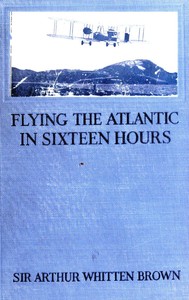
Flying the Atlantic in Sixteen Hours by Sir Arthur Whitten Brown
Most history books give you the bullet points: June 1919, two men, a modified bomber, first non-stop Atlantic crossing. Sir Arthur Whitten Brown's account throws you into the wicker seat beside him. This isn't a technical manual; it's a breathless cockpit log from a man who helped make history while fighting for his life.
The Story
Brown, the navigator, and pilot John Alcock aimed to win a hefty prize by flying from Newfoundland to Ireland. Their plane, the Vickers Vimy, was a war machine repurposed for peace. The flight was a disaster from almost the moment they left the ground. They flew into a terrible storm. Ice weighed down the wings. Snow clogged the engine. Their radio died, cutting them off from the world. Brown had to climb out onto the plane's slippery fuselage in the freezing wind to clear ice from critical instruments. For hours, they were blind, deaf, and lost in the clouds and dark, with only Brown's celestial navigation to guide them. The climax isn't the landing—it's the heart-stopping moment their engine fails completely over the ocean, and the desperate glide to what they hope is land.
Why You Should Read It
What grabbed me was the sheer, unvarnished reality of it. There's no heroic grandstanding. Brown's writing is straightforward, almost matter-of-fact, which makes the dangers even more striking. You feel the cold, the exhaustion, the tension of not knowing if the next cloud holds a mountain or open sky. It strips the romance from 'the age of adventure' and shows it for what it was: incredibly risky work done by determined people. The partnership between the quiet, methodical navigator Brown and the bold pilot Alcock is the quiet heart of the story. Their success was built on pure skill and stubborn trust in each other.
Final Verdict
Perfect for anyone who loves true adventure stories, early 20th-century history, or tales of human ingenuity under extreme pressure. It's short, fast-paced, and reads like a thriller. If you've ever looked up at a plane and taken modern travel for granted, this book will reset your appreciation. It's not just about the destination; it's a gripping manual on how to keep your nerve when everything is going wrong, thousands of feet above a freezing sea.
You are viewing a work that belongs to the global public domain. You do not need permission to reproduce this work.
Thomas Lopez
2 years agoI decided to give this a try based on a colleague's recommendation, the bibliography and references suggest a high level of research and authority. Top-tier content that deserves more recognition.
Paul Thomas
1 year agoAfter a thorough walkthrough of the table of contents, it addresses the common misconceptions in a very professional manner. Highly recommended for those seeking credible information.
Michael Brown
11 months agoAs a long-time follower of this subject matter, the attention to detail regarding the core terminology is flawless. The price-to-value ratio here is simply unbeatable.
Robert Jackson
6 months agoI started reading out of curiosity and the emotional weight of the story is balanced perfectly. This story will stay with me.










Elizabeth Jones
5 months agoComparing this to other titles in the same genre, the level of detail in the second half of the book is truly impressive. Simple, effective, and authoritative – what else could you ask for?