
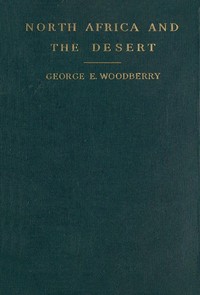
North Africa and the desert : Scenes and moods by George Edward Woodberry
Let's be clear from the start: if you're looking for a novel with a twisting plot, this isn't it. North Africa and the Desert is a collection of travel essays and impressions. Woodberry, an American poet and critic, journeys through regions like Algeria and Tunisia at the turn of the 20th century. He doesn't give us a linear story, but a series of vivid snapshots. We ride with him on camels into the deep Sahara, feel the isolation of the endless sand, and then get thrown into the noisy, colorful chaos of a North African city market. He meets local guides, observes French colonial officials, and describes landscapes so empty and grand they feel like another planet.
The Story
There's no traditional plot. The "story" is the journey itself and the slow, careful observation of a world most of his readers would never see. One moment he's describing the precise color of the sky at dusk over the desert, the next he's reflecting on the history etched into a crumbling Roman arch. He captures the daily rhythms—the setting up of camp, the search for water, the strange peace of a star-filled night in the open. The tension comes from the environment itself: the constant negotiation between human life and a land that doesn't care if you survive.
Why You Should Read It
I loved this book for its atmosphere. Woodberry has a poet's eye. He makes you feel the dry heat and the weight of the silence. It's a historical document, yes, but it reads like a meditation. You get a real sense of a specific moment in time—the old ways still in practice but with the modern world starting to press in. His writing isn't fast-paced; it's slow and descriptive, meant to be savored. It completely transported me. It also made me think about travel writing itself, about how we see places that aren't our own.
Final Verdict
This is a perfect read for a quiet afternoon when you want to escape. It's for anyone who loves armchair travel, beautiful descriptive writing, or history seen through a personal lens. If you enjoy the works of later writers like Paul Bowles or even the slow, observational style of some modern nature writing, you'll find a fascinating precursor here. It's not an action-packed adventure, but a thoughtful, immersive stroll through a lost world.
This content is free to share and distribute. Preserving history for future generations.
Emily Thomas
7 months agoFive stars!


Linda Garcia
2 months agoI stumbled upon this title during my weekend research and the way it challenges the status quo is both daring and well-supported. I feel much more confident in my knowledge after finishing this.