
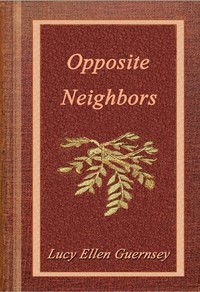
Opposite neighbours : or, The two lives, and their end by Lucy Ellen Guernsey
The Story
Guernsey sets her story in a classic 19th-century neighborhood. On one side, we have the wealthy, socially ambitious family. Their home is a showpiece, their lives are a whirl of parties and business deals, and their main goal is to gain more—more money, more status, more influence. Right next door lives a family of modest means. They find joy in simple things, their home is filled with warmth rather than luxury, and their strength comes from their deep religious faith and commitment to helping others.
The book follows these two households over years. We see the children grow up under these opposing philosophies. We watch how each family handles good fortune and crisis. The plot isn't driven by dramatic twists, but by the quiet, powerful contrast of daily choices. The tension comes from wondering how these radically different lives will ultimately turn out, a question promised right in the subtitle.
Why You Should Read It
What grabbed me wasn't a crazy plot, but how recognizable these characters feel even today. Guernsey doesn't paint the wealthy family as pure villains or the modest one as perfect saints. She shows the costs and rewards of each path. The ambitious family knows anxiety and emptiness even in their beautiful parlor. The humble family faces real hardship and sacrifice.
It makes you think without feeling like a lecture. I found myself constantly pausing to ask, 'Where do I see myself in this?' It’s less about judging the characters and more about examining the values we live by. The writing is clear and direct, pulling you into the emotional world of both homes. You come to care about the fate of both families, which is the book's real magic.
Final Verdict
This is a perfect read for anyone who enjoys character-driven stories that explore big life questions. If you like authors like Louisa May Alcott or Elizabeth Gaskell, you'll feel right at home here. It’s also great for historical fiction readers who want a look at 19th-century American domestic life that focuses on moral choices rather than ballroom drama. Fair warning: it comes from a time of strong Christian sentiment, so faith is a central pillar for one family. But even if that’s not your background, the core question—what does a life well-lived actually look like?—is timeless. A thoughtful, compelling, and surprisingly quick read that sticks with you.
This book is widely considered to be in the public domain. You do not need permission to reproduce this work.
Liam Anderson
1 year agoNot bad at all.
Logan Taylor
1 year agoThe index links actually work, which is rare!
Amanda Gonzalez
1 year agoVery interesting perspective.
Lucas Clark
2 years agoI started reading out of curiosity and it manages to explain difficult concepts in plain English. I learned so much from this.

Dorothy Perez
1 year agoI have to admit, the atmosphere created is totally immersive. Thanks for sharing this review.